


-
Soothing Sounds Pyramid
The Soothing Sounds Pyramid combines five relaxing nature sounds with a continuously colour-changing light to create a calming atmosphere at home. It can be used with sound and light together or with either function independently, allowing the experience to be adjusted to suit individual...- £16.99 (£20.39 inc VAT)
- Unit price
- per
-
Portable Ocean Wave Sensory Projector with Sounds & Speaker
The Portable Ocean Wave Sensory Projector creates moving, wave-like patterns of coloured light across walls and ceilings, bringing an underwater-style visual effect to bedrooms, sensory rooms, classrooms and quiet spaces. Alongside the projected light display, the built-in speaker allows music and other audio to...- £24.99 (£29.99 inc VAT)
- Unit price
- per
-
TickiT Sensory Block Set 16pk
The TickiT Sensory Block Set is an award-winning collection of 16 large rubberwood blocks designed for sensory exploration, construction and early learning. Each block has a smooth wooden frame with an engaging sensory centre to shake, watch and investigate. Across the set, children can...- £45.99 (£55.19 inc VAT)
- Unit price
- per
-
Mirror Chimeabout
The Mirror Chimeabout is a beautifully crafted wooden sensory toy that provides both visual delight and auditory stimulation. Perfect for children with SEN/ALN, the Chimeabout encourages sensory exploration, cause-and-effect learning, and focus through engaging play. Multi-sensory stimulation: combines sound, movement, and visual reflections. Cause...- £84.99 (£101.99 inc VAT)
- Unit price
- per
-
Shake ‘N’ Roll Set
Shake 'n' Roll Gift Set – Sensory Musical Fun for Little Ones Delight your child with the Shake 'n' Roll Gift Set – an enchanting musical bundle designed to engage the senses and spark curiosity! This charming set includes a Mini Rainbomaker and an...- £14.99 (£17.99 inc VAT)
- Unit price
- per
-
Hilka Junior Ear Defenders SNR26dB
The Hilka Junior Ear Defenders (SNR26) provide reliable noise reduction for children who may find loud, unpredictable or busy environments overwhelming. Lightweight, sturdy and comfortable, they are well-suited to everyday use at home, school or when out and about. The padded ear cups ensure...- £9.99 (£11.99 inc VAT)
- Unit price
- per
-
Blue
-
Pink
-
Calmer Kids Earplugs
Calmer Kids Earplugs are discreet in-ear sound sensitivity aids designed for children who find everyday noises harsh, distracting or overwhelming. Unlike conventional earplugs that mainly reduce overall volume, Calmer Kids are designed to change the way certain sound frequencies reach the ear. This can...- £16.99 (£20.39 inc VAT)
- Unit price
- per
-
Multi-Function Aroma Diffuser Lamp with Bluetooth Speaker
The Multi-Function Aroma Diffuser Lamp combines colour-changing light, Bluetooth audio and fragrance diffusion in one compact sensory unit. Designed for sensory rooms, bedrooms, relaxation spaces and home environments, it allows light, sound and scent to be used individually or together to create a personalised...- £26.99 (£32.39 inc VAT)
- Unit price
- per
-
Hilka Ear Defenders SNR24dB
The Hilka Ear Defenders (SNR24) provide lightweight, straightforward hearing protection — ideal for reducing background noise in environments where loud or unpredictable sounds may be overwhelming. Thanks to padded ear cups and a comfortable headband, they’re suitable for extended wear, making them a practical...- £6.99 (£8.39 inc VAT)
- Unit price
- per
-
Sensory Reflective Sound Buttons - Pk3
The Sensory Reflective Sound Buttons - Pk3 are a set of three smooth stainless steel sensory discs, each designed to create a different sound when shaken, tilted or moved. The three buttons come in mirrored Gold, Silver and Colourburst finishes, with each one producing...- £17.49 (£20.99 inc VAT)
- Unit price
- per
-
Sensory Reflective Colour Mystery Balls - Pk6
The Sensory Reflective Colour Mystery Balls - Pk6 are a set of six stainless steel sensory balls, each designed to behave differently when rolled, shaken, twisted or spun. Rather than all moving in the same way, the balls create an element of surprise. Some...- £23.49 (£28.19 inc VAT)
- Unit price
- per
-
Halilit Sound Blocks
The Halilit Sound Blocks offer a delightful and interactive experience for young children, enhancing sensory exploration through sound and texture. Designed with four different patterns and colours, these vibrant blocks provide tactile variety and musical discovery as children rub and stack them to produce...- £15.99 (£19.19 inc VAT)
- Unit price
- per
-
Musical Sensory Light Up Wand
The Musical Sensory Light Up Wand combines spinning lights and gentle music to create an engaging multi-sensory experience. Designed to capture attention and provide visual and auditory stimulation, it can support calming, focus, and sensory exploration. At the press of a button, the wand...- £14.99 (£17.99 inc VAT)
- Unit price
- per
-
Sight & Sound Drum
Discover the captivating world of rhythm and sensory exploration with our wooden Sight and Sound Drum. The entire drum spins at the slightest effort and the individual tubes spin as well. Some of the individual tubes also make interesting noises as they spin. Ideal for...- £114.49 (£137.39 inc VAT)
- Unit price
- per
-
Musical Light Up Star Soft Toy – Calming Sensory Night Light
This musical light up star soft toy combines gentle lighting, soothing music, and a soft tactile design to support calming and relaxation. Ideal for bedtime routines or quiet time, it offers a reassuring multi-sensory experience. At the touch of a button, the star emits...- £15.99 (£19.19 inc VAT)
- Unit price
- per
-
Blue Egg Chair With Lights And Speakers
The Blue Egg Chair with Lights and Speaker creates a cosy, enclosed place for children and adults to sit, relax or enjoy a sensory break. Its distinctive curved shape provides privacy and may help to reduce surrounding distractions, making it an inviting retreat for...- £899.99 (£1,079.99 inc VAT)
- Unit price
- per
-
Hi-Lo Stage Pack Musical Instrument Gift Set
The Hi-Lo Stage Pack is the ultimate musical instrument gift set, perfect for aspiring musicians, gigging percussionists, or anyone seeking a joyful musical experience! This fantastic collection includes a Tambourine, Guiro, Shaker, Maracas, Agogo, and Vibra Shaker, providing everything you need to create a...- £54.99 (£65.99 inc VAT)
- Unit price
- per
-
Rhythm Dancing 46 Pack
The Rhythm Pack includes a variety of equipment designed to enhance coordination skills within children. Suitable for use during playtime and very popular for sports day events. Excellent value for money bundle. See contents below. Each Kit Contains: 6 Junior Ribbons and Wands 6...- £49.99 (£59.99 inc VAT)
- Unit price
- per
-
Sensory Stepping Stones With Sound & Light – DoReMi
Create an engaging, interactive sensory pathway with the Sensory Stepping Stones with Sound & Light – DoReMi. Each of the seven floor tiles features a different colour and texture, lighting up and producing a sound when activated by touch or pressure. Users can choose...- £274.99 (£329.99 inc VAT)
- Unit price
- per
-
Hilka Folding Ear Defenders SNR25dB
The Hilka Folding Ear Defenders (SNR25) are a lightweight, robust and comfortable solution for reducing noise in a wide range of environments. They are designed to lower sound by up to 25 decibels, helping users stay calm, focused and safe in situations where noise...- £6.49 (£7.79 inc VAT)
- Unit price
- per
-
Dance & Movement 56 Pack
A kit of 56 items to help develop skills and add visual impact and sound to dance and movement activities. In Dance classes we move in all different ways- walking, hopping, jumping and rolling. Using props can get us moving in different ways and gives...- £133.49 (£160.19 inc VAT)
- Unit price
- per
-
Set of 8 Piano Sound Pads
Set of 8 Piano Sound Pads for use on the floor or wallColoured Sound Pads with a hidden musical note inside, pressure activates the reeds- push with your hands or feet at the ends of the black keyboard note to create the sounds! These...- from £1,324.99 (£1,589.99 inc VAT)
- Unit price
- per
-
Viga Rainbow Activity Wall Panels.
The Viga Rainbow Activity Wall Panels create a large, colourful activity centre containing 12 engaging activities across five wall-mounted sections. Children can explore gears, shapes, weather, sound, mirrors and moving components through individual or collaborative play. Activities include turning gears, a weather board, rolling...- £154.99 (£185.99 inc VAT)
- Unit price
- per
-
Percussion Set
The TickiT Percussion Set is a colourful and engaging introduction to music, rhythm and sound, with a wide variety of traditional percussion instruments sized for small hands. The set gives children lots of different ways to explore sound through shaking, tapping, striking, scraping and...- £28.99 (£34.79 inc VAT)
- Unit price
- per
-
Auditory Ball Game Pack
This is a great way to teach how to work without the use of vision. The Balls jingle as they roll for an audio sensation as players locate them rolling on the gym floor without the use of their eyes, but now behind blindfolds....- £99.49 (£119.39 inc VAT)
- Unit price
- per
-
Rainforest Sound Pad
A fun and fascinating interactive sensory experience. Equipped with motion-activated technology, the Rainforest Sound Pad responds to touch and movement by triggering a range of realistic jungle sounds. From the calls of exotic birds to the gentle rustling of leaves and distant animal cries,...- £639.99 (£767.99 inc VAT)
- Unit price
- per
-
Interactive Sound & Light Sensory Panel
The Interactive Sound & Light Sensory Panel is a wall-mounted sensory room panel designed to combine colourful light displays, sound effects and interactive activities in one engaging resource. Suitable for children aged 3 years and over, it encourages active participation through visual, auditory and...- £599.99 (£719.99 inc VAT)
- Unit price
- per
-
Viga Crocodile Activity Wall Panels.
The Viga Crocodile Activity Wall Panels create an impressive wall-mounted activity centre filled with hands-on puzzles, musical features and manipulative challenges. Supplied in five sections, the friendly crocodile provides a wide variety of activities without taking up valuable floor or table space. Children can...- £154.99 (£185.99 inc VAT)
- Unit price
- per
-
Tactile and Musical Wall Panel
Unlock the potential of sensory exploration and musical discovery with the Tactile and Musical Wall Panel. Whether you're a teacher, therapist, caregiver, or parent, this panel offers an inclusive and engaging experience that fosters growth and self-expression in individuals with SEN. This dynamic 110...- £794.99 (£953.99 inc VAT)
- Unit price
- per
-
Rainbow Desk Bells
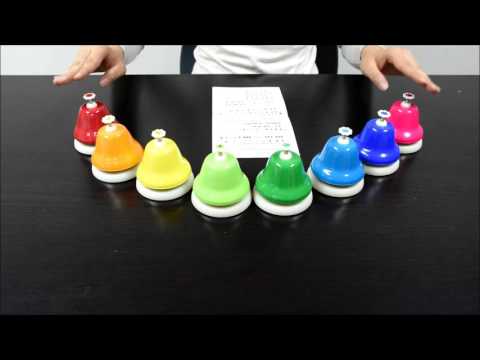
The Rainbow Desk Bells are a colourful and accessible way to introduce children to music, rhythm, sequencing and sound. Each of the eight brightly coloured bells produces a clear tone when the button on top is pressed. This simple push-button design makes them easier...- £30.99 (£37.19 inc VAT)
- Unit price
- per
-
Calmer Earplugs Adult
Calmer Earplugs Adult are discreet in-ear sound sensitivity aids designed to make everyday noise feel less harsh without blocking or heavily muffling the sounds around the wearer. Unlike conventional earplugs that mainly reduce volume, Calmer sits at the entrance of the ear canal and...- £16.99 (£20.39 inc VAT)
- Unit price
- per

Trending Now
Popular Products
Seenin Zodiac Zip-Back Fleece Sleepsuit – With or Without Feet
The Seenin Zip-Back Fleece Sleepsuit – Zodiac is warm adaptive nightwear designed for children and teenagers who may remove their clothing, nappies or continence products during the night. Its secure reverse zip fastening helps keep clothing in place while providing a comfortable and practical...
- from £34.49
- Unit price
- / per
Giant Textured Cube
The Giant Textured Cube is designed to encourage hands-on sensory exploration through touch, colour, and movement. With six different textured sides, it offers a variety of tactile experiences to support sensory development and curiosity. Each face of the cube features a unique texture and...
- £39.99 (£47.99 inc VAT)
- Unit price
- / per
VILIM Ball Hand Tremor Therapy Device
The VILIM Ball Hand Tremor Therapy Device is a non-invasive handheld medical device designed to temporarily reduce hand tremor and support greater independence with everyday activities. Developed for people living with Essential Tremor and Parkinson's-related hand tremor, the VILIM Ball uses controlled mechanical vibrations...
- £299.99 (£359.99 inc VAT)
- Unit price
- / per
Need Help?
Contact Us

- Shop
- Shop
- Swim
-
Clothing
- Clothing
- All Clothing
- Bibs & Aprons
- Body Vests & Unitards
- 100% Cotton
- Carers Clothing - Bite Resistant
- Compression
- Communication
- Daywear
- Eczema
- Orthotic
- Popper Vests
- Rip Resistant Clothing
- Seamfree
- Seclusion Wear
- Sleepwear
- Sensory Schoolwear
- Socks
- Tube / Peg Feeding
- Thermal
- Underwear
- UV Sun Protective
- Easy Dressing & Wheelchair Clothing
- Footwear
-
Sensory & Activities
- Sensory & Activities
- All Sensory
- Exercise & Movement
- Fidget Toys & Aids
- Light & Sound Toys
- Outdoor
- Sensory Equipment & Aids
- Sensory Integration Equipment
- Sensory Garden
- Sensory Lighting
- Sensory Lighting & Calming Spaces
- Sensory Rooms
- Sensory Support On the Go
- Sensory Toys
- Sensory Wall Panels
- Sitting Aids
- Vibrating Therapy
- Weighted
- Wooden Toys
- Chewing & Biting
-
Toileting
- Toileting
- All Toileting
- Bedwetting
- Smearing Aids
- Accessories
- Bedtime
- Daily Living
- Learning
- Out & About
- AAC Switches, Tech & Gaming
- Early Years
- Teens & Adults
- Dementia
- Taboo
- VAT Exemption
- Sensory Needs & Regulation
- Gift Ideas
- Conditions
- Conditions
-
Additional Learning Needs
- Additional Learning Needs
- Communication Aids
- Concentration Aids
- Writing & Desktop
- ADHD
- Angelman
- Anxiety
-
Austism (ASD)
- Austism (ASD)
- Behaviour Management
- Planning & Structure
- Sleep Issues
- Cerebral Palsy
- Charcot Marie Tooth Disease
- Dementia
- Down's Syndrome
- Dyspraxia/Dyscalculia
-
Fine & Gross Motor Skills
- Fine & Gross Motor Skills
- Cognitive Development
- Fine Motor Development
- Motor Development / Balance
- Resistance & Movement
- Scoliosis
- SEMH
-
Sensory Processing Disorder
- Sensory Processing Disorder
- Sensory Rooms
- Professionals
- Guides & Support
- Blog
- About Us
Sidebar




What Is Auditory Sensory Input?
The auditory system helps us receive and make sense of sound. This includes recognising different volumes, tones, pitches, rhythms and patterns, as well as separating important sounds from background noise.
Exploring Sound Through Play
Auditory sensory toys can provide opportunities to explore music, rhythm, sound effects and cause-and-effect. Musical instruments, sound-making toys, listening games and interactive resources can all offer different types of auditory input.
Some people actively seek sound and enjoy music, repetition or strong auditory feedback, while others may prefer quieter or more predictable sounds.
Managing Sound Sensitivity
Auditory sensory needs can also involve sensitivity to everyday noise. Busy classrooms, travel, events, household sounds or sudden noises may feel uncomfortable or overwhelming for some people.
Products such as ear defenders, earplugs and other sound-management aids can help reduce or soften unwanted noise while allowing the individual to choose the level of auditory input that feels most comfortable.
Auditory Sensory Products for Different Settings
Auditory resources can be used at home, in schools, sensory rooms, therapy settings and while out and about. The most suitable option will depend on whether the individual is seeking sound, learning through sound or looking for support to reduce or manage noise.
Auditory Input and Other Sensory Systems
Many sensory products provide more than one type of input. A musical light-up toy, for example, may combine auditory and visual stimulation, while an activity wall panel may combine sound with tactile exploration.
For this collection, products are selected because sound itself — or the management of sound — is an important part of their purpose.
Recently Viewed Products
- Choosing a selection results in a full page refresh.